The short answer
Discover the surviving city walls
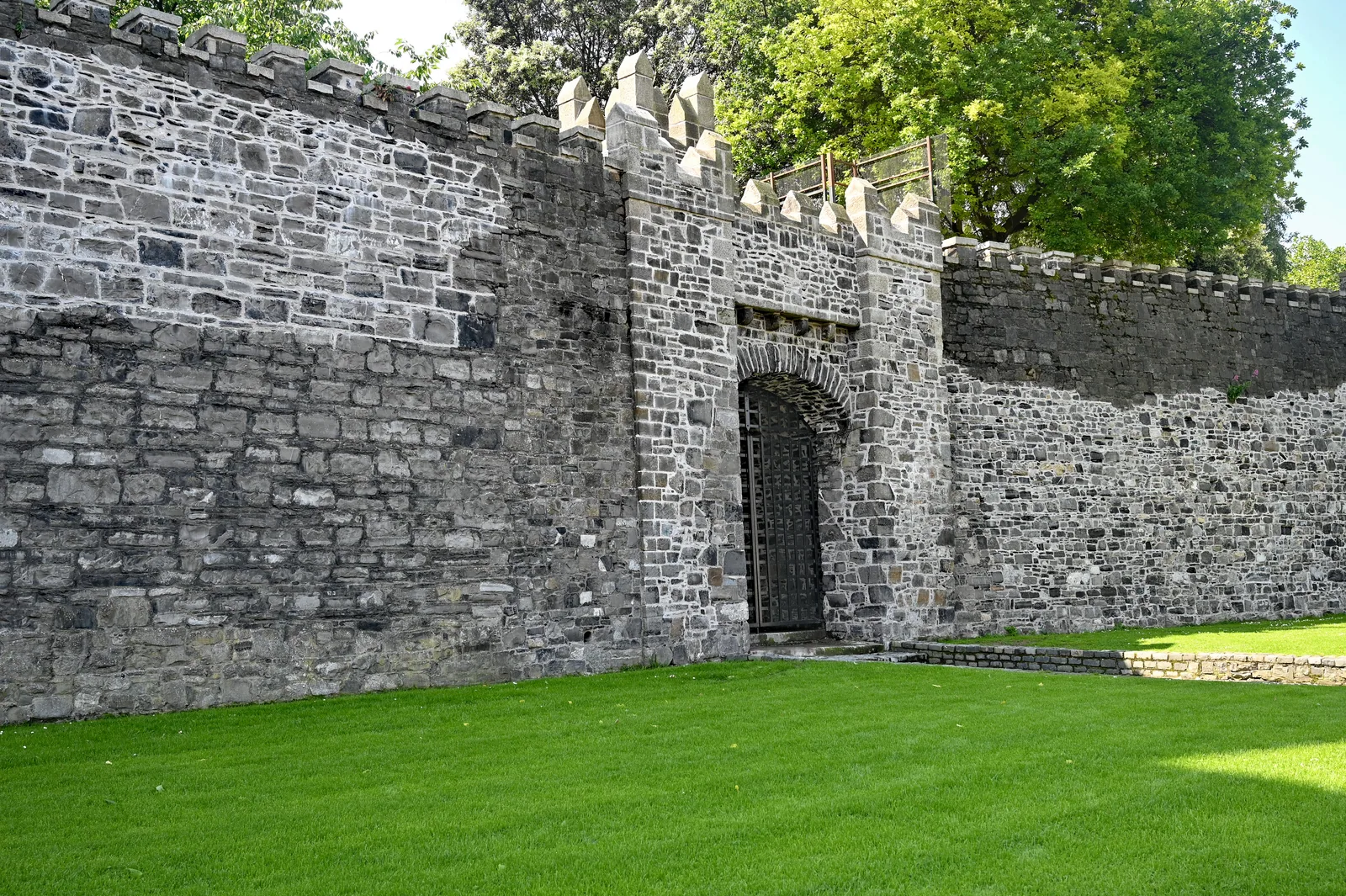
Surviving outdoor wall sections, archaeological remains and the line of later streets help reveal the shape of Dublin’s medieval defences. Cook Street is one of the clearest places to begin reading the wall above ground.
Look at the wall from Cook Street, then relate its line to the higher ground around St Audoen’s. A fragment becomes easier to understand when you consider what it enclosed, the approach from the river and how streets met the city’s defensive edge.
Streets remember older boundaries
Look closely and the modern streets reveal the shape of the older city. Slopes, narrow lanes and changes in street direction reflect gates, defensive edges, markets and routes to the river. A guided walk connects the surviving remains and helps you recognise the different periods represented in the buildings around you.
Connect these places on a private Viking and Medieval Dublin walking tour
Churches and civic sites
Christ Church Cathedral, St Audoen’s and the streets around Dublin Castle connect key chapters in the city’s story. Explore the architecture, street patterns and details that reveal how Dublin grew. For an interior visit, check the venue’s admission, opening hours and access information.
Heritage Ireland identifies St Audoen’s as Dublin’s only surviving medieval parish church. It offers a different scale from a cathedral: a parish church connected with the everyday religious and commercial life of the old city.
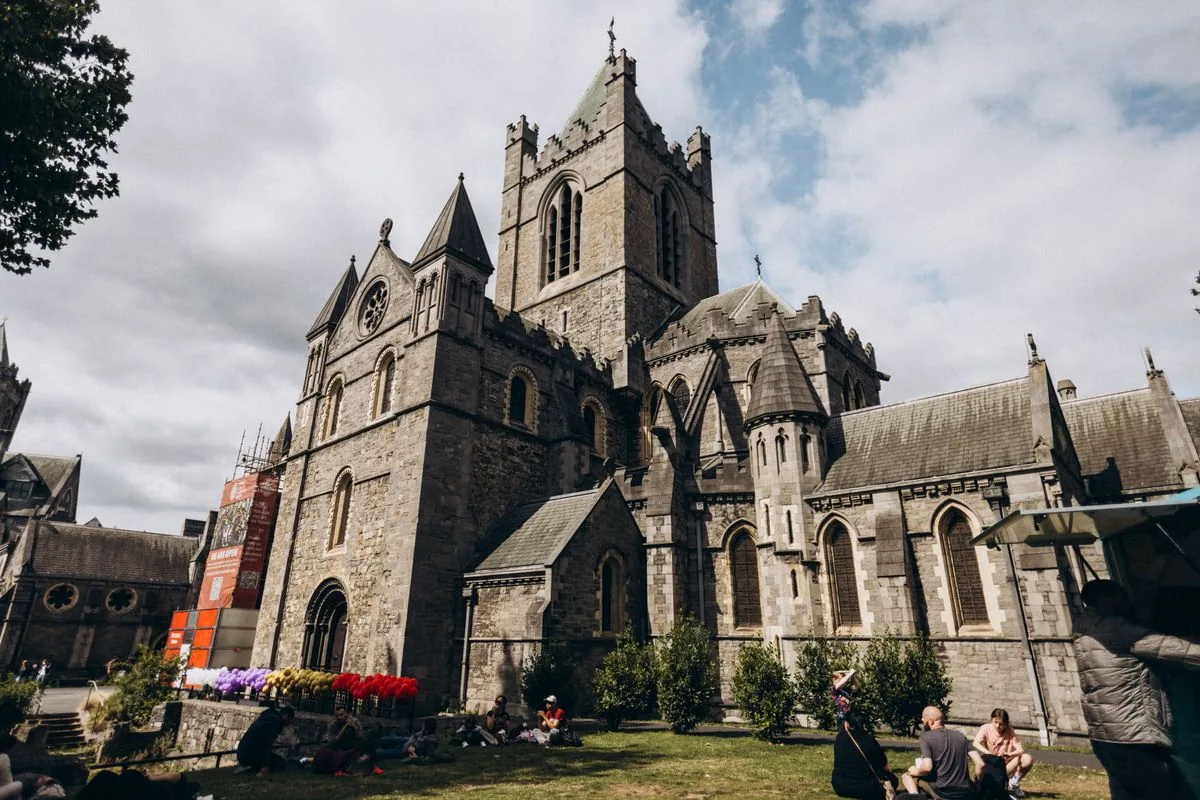
Christ Church traces its foundation to around 1030, when the Norse king Sitriuc and Bishop Dúnán established the original church. Parts of the later medieval cathedral survive, but the building also underwent a major restoration from 1871 to 1878. Its present appearance therefore needs to be read as several periods together.
- Look for wall masonry and changes in ground level
- Distinguish surviving fabric from later reconstruction
- Allow time for cobbles and slopes
- Check each attraction’s official site before visiting
What is medieval, and what came later?
Dublin’s historic places bring together several periods of building, restoration and change. Spotting these layers makes a walk especially rewarding around Christ Church.
| Place | What it helps explain |
|---|---|
| Cook Street | The surviving city wall and the boundary of the defended town |
| St Audoen’s Church | A surviving medieval parish church beside the old city’s edge |
| Christ Church Cathedral | Norse origins, medieval building and substantial Victorian restoration |
| Streets around the old city | The relationship between slopes, boundaries and routes towards the river |
Sources and further checking
Official information can change. Check these sources close to your visit.