The short answer
Begin with the square, then discover its details
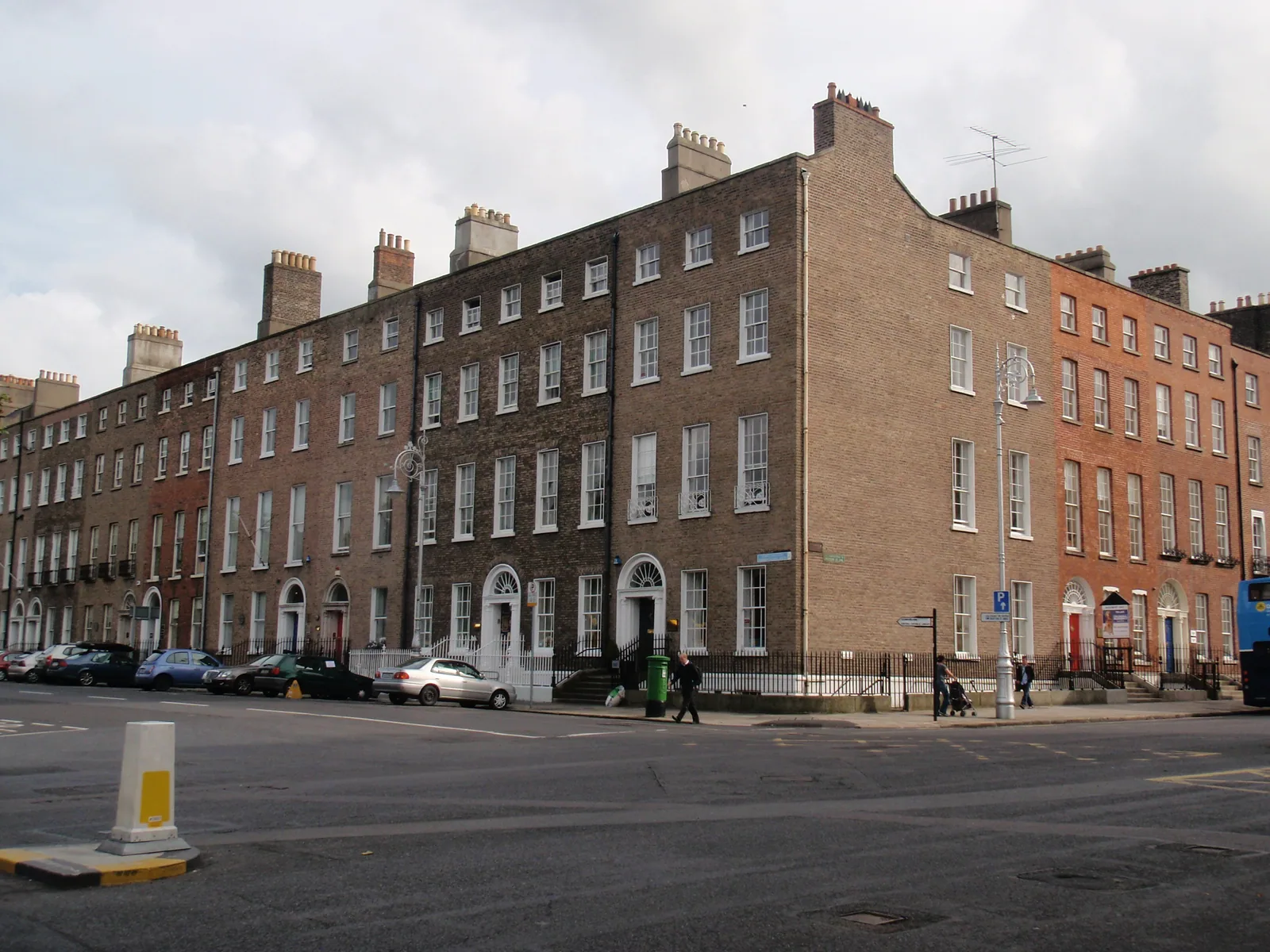
Merrion, Fitzwilliam, Parnell and Mountjoy Squares each developed differently. Look at the proportions of the whole terrace, the central garden and the streets feeding into it before focusing on individual façades.
Explore Merrion and Fitzwilliam Squares on a private Georgian Dublin walking tour
Read the townhouse
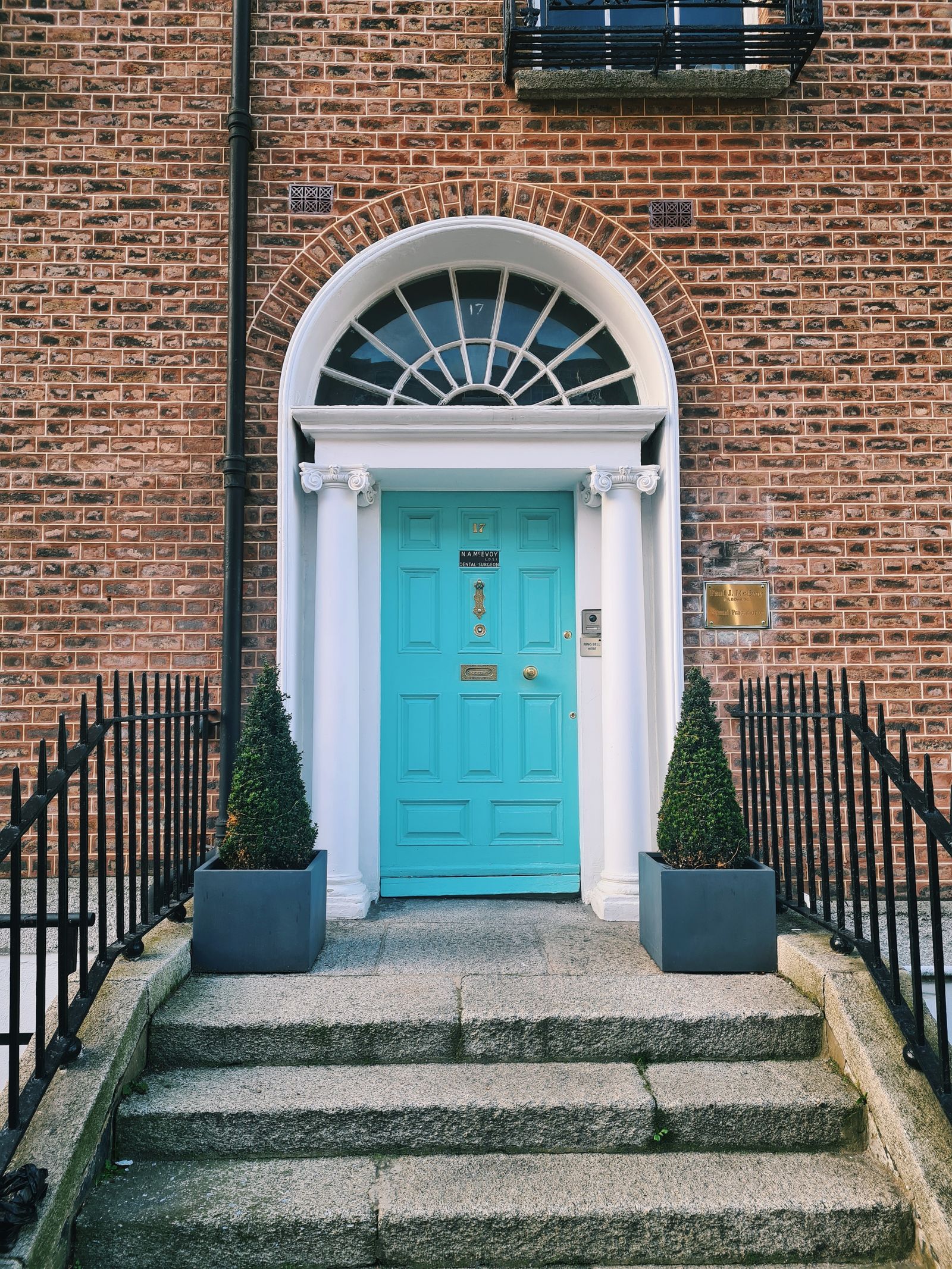
Window size usually changes by floor, reflecting the hierarchy of rooms. Fanlights, brickwork, railings and basement areas reveal craft, status and service arrangements. Many houses later became offices, institutions or divided accommodation, adding further layers to the story.
The basement and rear service spaces matter as much as the formal entrance. A townhouse was a working household with different spaces for owners, servants and supplies. Its impressive street front tells only part of that story.
North and south tell different stories
The north and south Georgian quarters each have a distinctive story of development, social change, survival and reuse. Seeing both helps explain how wealth and civic attention moved through Dublin.
Henrietta Street adds a useful social-history comparison. The museum at 14 Henrietta Street follows a house from Georgian grandeur into tenement life. Many houses on the street were divided into tenements during the nineteenth century, showing how the same architecture could accommodate radically different lives.
- Observe the terrace as a composition
- Look for basement access and former service routes
- Look for the mix of original details and later restorations
- Respect private gardens and residences
Which Georgian area should you explore?
Choose one area for a closer look and enjoy its architectural details at a relaxed pace. Public parks, private gardens and occupied houses have different access arrangements.
| Area | A useful focus |
|---|---|
| Merrion Square | Terraces around a public park, with the National Gallery nearby |
| Mountjoy Square | The north city’s planned Georgian landscape and its conservation |
| Henrietta Street | How grand townhouses changed through later tenement occupation |
Sources and further checking
Official information can change. Check these sources close to your visit.